If you’ve never commissioned a website before, the web design process can feel like a black box. You have a call, you pay a deposit, and some weeks later a site appears. In between, you get emails asking for things you weren’t expecting to be asked for.
The web design process runs far better when you know what’s coming. The stages below are common to most agencies, although names and order vary a little. For each one, we’ve set out what happens and what your part is.
1. Discovery
This is the listening stage. Your designer needs to understand the business, who your customers are, what the site has to achieve and what’s wrong with the one you have.
Your job: be honest and specific. Share real numbers if you have them, such as how many enquiries you get and where they come from. Name the competitors you lose work to. Say what you can spend. A designer who knows the budget can plan to it. One who has to guess will either overshoot or play safe.
2. Structure
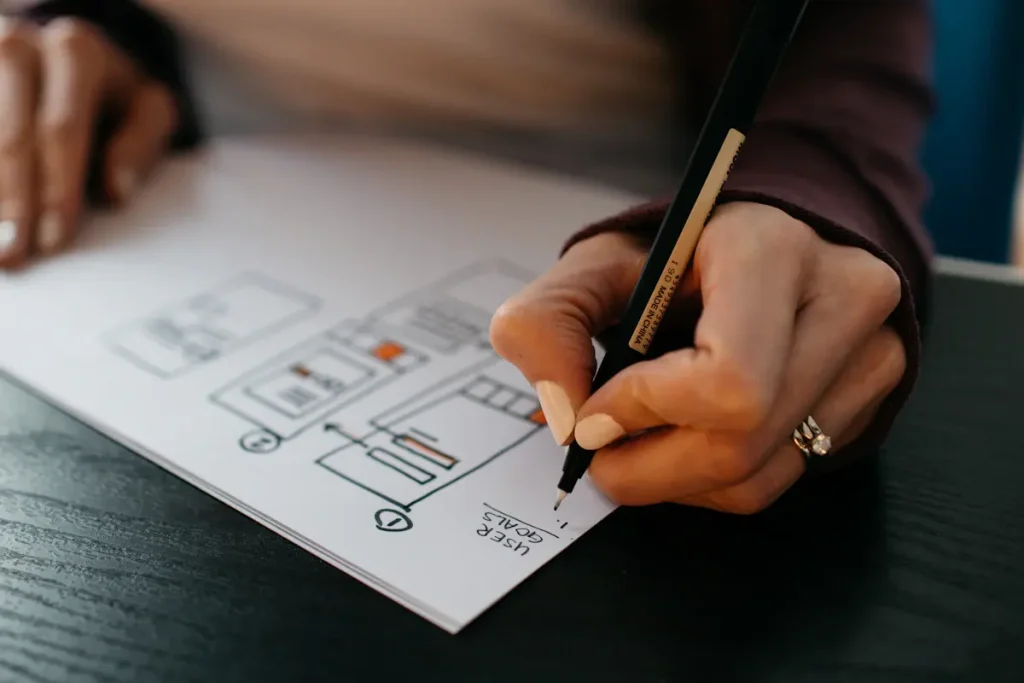
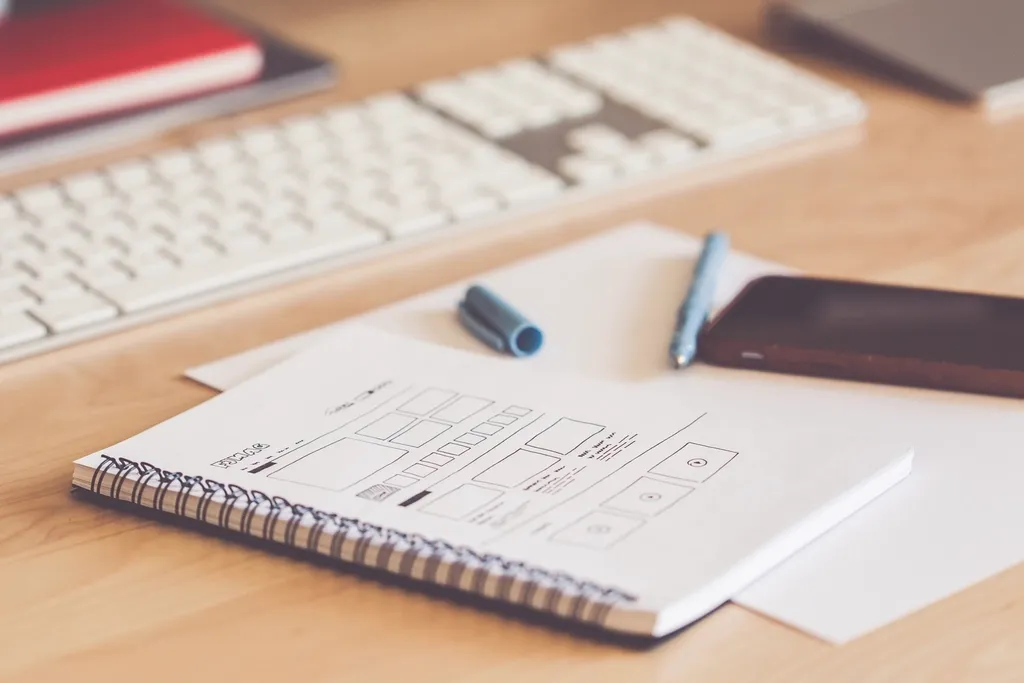
Next comes the plan: which pages the site needs, how they’re grouped in the menu, and what goes on each one. You’ll usually see a sitemap and then wireframes, which are plain layouts showing the order of sections on each page without any styling.
Your job: check that nothing is missing and that the priorities are right. This is the cheapest moment to move things around, so take it seriously even though there’s nothing attractive to look at yet.
3. Content
Words and images. This stage often runs alongside structure and design, and it’s the one most likely to delay a launch. Somebody has to write every page, gather photos, dig out logos and accreditations, and collect reviews.
Your job: decide early who is writing. If it’s you, block out time and agree deadlines. If it’s the agency, they’ll still need facts from you: services, prices or price ranges, areas covered, what makes you different. Nobody outside the business knows those things.
Websites rarely launch late because of design. They launch late because the content wasn’t ready.
4. Design
Now the look. Your designer applies your brand to the agreed structure, usually starting with the homepage and one or two key inner pages, then rolling that style across the rest.
Your job: give feedback once, collected from everyone who has a say, and tied to the goals you agreed in discovery. “This doesn’t make it obvious we do commercial work” is something a designer can act on. “Can you make it pop” is not. Ask to see the mobile design, not only the desktop one.
5. Build and testing
The approved designs become a working website. Pages are built, forms connected, content loaded, and the whole thing is tested on different phones and browsers. This usually happens on a private test address so the public can’t see it yet.
Your job: test it like a customer. Fill in every form and check the emails arrive. Tap every phone number. Read every page for typos and out of date details. You know your business better than anyone, so you’ll spot the wrong opening hours faster than your developer will.
6. Launch and afterwards
Launch itself is normally quiet: the new site replaces the old one at your domain, old page addresses are redirected to the new ones so you don’t lose search traffic, and tracking is checked.
Your job: tell people. Update your Google Business Profile, email signature and social profiles. Then agree who looks after the site from here, because software updates, backups and security aren’t optional extras.
How long the web design process takes
It depends on size and on how quickly decisions and content come back. A small brochure site with content ready can move in a few weeks. A larger site with an online shop, bookings or integrations will take longer. When you ask an agency for a timescale, ask what it assumes about you. Most timelines quietly depend on feedback within a few days and content by a set date.
Three things that keep a project on track
- One decision maker. The web design process stalls when nobody can say yes. Lots of opinions are fine. One person has to have the final say.
- Feedback in rounds. One collected set of comments per stage, not a trickle.
- Sign off that means it. Once a stage is approved, going back costs time and money. Check carefully before you say yes.
How we run it
Our website design and development projects follow these stages, with content gathered up front so it doesn’t hold up the launch. If you want to see how quickly that can move, the Free Website Offer uses the same process on a site of up to ten pages.