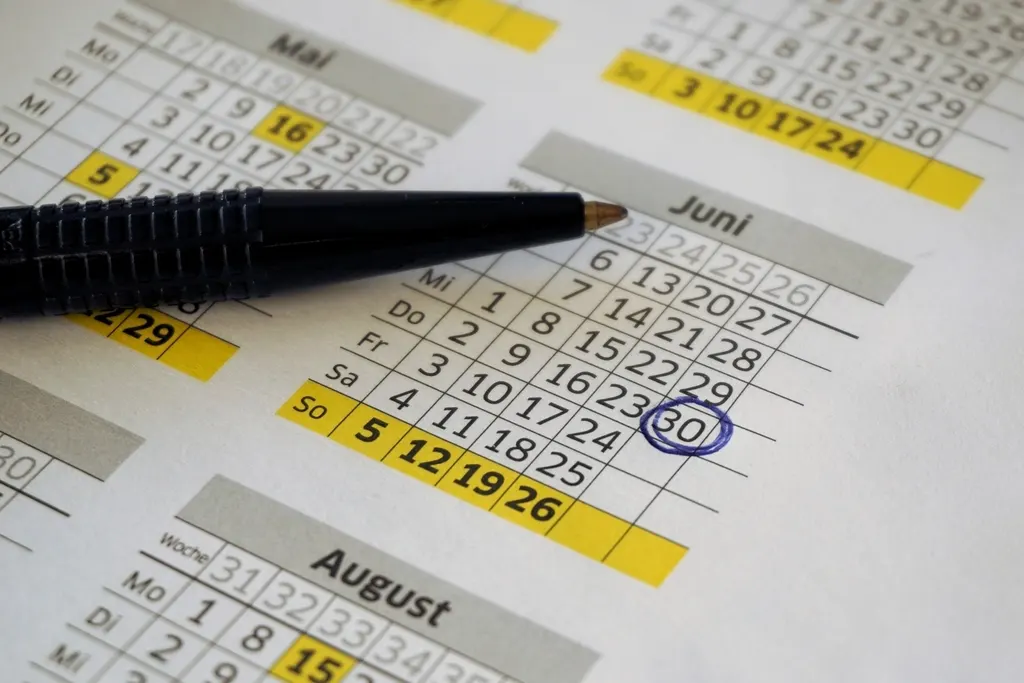

Summer is event season. Open days, launch parties, customer evenings, workshops and trade shows fill the calendar, and many businesses put real money and effort into them. Good event marketing is what turns that effort into work.
Some of those events produce a steady stream of new customers. Others produce a nice atmosphere, a few photos and a pile of business cards that sit in a drawer until Christmas. The difference is rarely the event itself. It’s what happens before and after it.
Here’s how to plan an event, whether you’re hosting or exhibiting, so your event marketing earns its place in the budget.
Decide what the event is for
Start with a single commercial goal. Events can do several things, but you need to know which one matters most:
- Generating new leads
- Moving existing prospects closer to buying
- Thanking and keeping existing customers
- Launching a product or service
- Building your profile with a specific group, such as local employers or referrers
Then put a number on it. “Book 15 consultations from the open day” or “collect 60 relevant contacts at the trade show, with permission to follow up”. A number makes everything else easier to decide, from the guest list to the budget.
Choose the right event marketing format
The format should suit the goal and the people you want there.
- Open days and demonstrations suit businesses where seeing is believing: showrooms, venues, gyms, schools, manufacturing.
- Workshops and talks suit expertise-led businesses. They attract people with a specific problem and let you show how you think.
- Customer evenings suit retention and referrals. Invite customers and encourage them to bring someone.
- Trade shows and exhibitions suit B2B businesses whose buyers gather in one place, but they’re usually the most expensive option once everything is added up.
Fill the room with the right people
A busy event full of the wrong people is still a poor event. Promote it where your ideal attendees already are: your email list, your social channels, partners who share your audience, local groups and networks. Personal invitations to key prospects often outperform everything else combined.
Give people a specific reason to come, such as something to learn, see, try or take away. Use a simple registration page so you know who’s coming, can send reminders and have the details you need for follow-up. Send a reminder a day or two before. People forget, even when they mean well.
For trade shows, don’t rely on footfall. Contact prospects beforehand and invite them to your stand at a set time.
The event is the middle of the campaign, not the whole of it. Plan the invitations and the follow-up with as much care as the day itself.
On the day: capture conversations properly
Make sure everyone working the event knows the goal and how to record useful conversations. Business cards alone aren’t enough. You need to know what each person was interested in and what you promised them.
A simple approach is a short form on a tablet or phone with name, contact details, what they’re interested in, a “hot, warm or cold” rating and a note. Be clear about what you’ll do with their details, and get permission before adding people to marketing emails.
Other practical points:
- Brief your team on who you most want to talk to
- Have something useful to hand over, not just a brochure
- Take good photos and short videos for later use
- Offer a reason to book or buy soon, such as an event-only consultation slot
Follow up fast, then measure
This is where most event marketing value is lost. Follow up within a couple of working days, while you’re still fresh in people’s minds. Personalise it: refer to what you discussed and suggest a clear next step. Hot leads get a phone call, not a generic email.
Also follow up with people who registered but didn’t come. Send them a summary, the slides or a recording. They were interested enough to sign up.
A month or two later, count what happened: leads captured, meetings booked, sales won, and total cost including staff time, venue, materials and travel. Compare it with your goal and with what the same money could have done elsewhere. That tells you whether to run it again.
If you’re planning an event and want help with promotion, materials and follow-up, our event marketing team can plan the whole campaign around it. For stands, banners and displays that stand out on a busy show floor, see our exhibition graphics.