
Sooner or later every business with a website faces the same choice: SEO or PPC. Do you pay to improve your position in the ordinary search results, or pay for adverts that sit above them?
You’ll hear strong opinions on SEO or PPC, often from people who only sell one of them. The useful answer is that they do different jobs on different timescales, and which comes first depends on your situation.
The difference in one paragraph
SEO, search engine optimisation, is the work of making your website appear in the unpaid results. You pay for the work, not for the clicks. PPC, pay per click, means adverts on platforms such as Google Ads, where you bid to appear for chosen searches and pay each time someone clicks.
How SEO and PPC compare
Speed. Adverts can be live and bringing visitors within days. SEO typically takes months to show meaningful results.
Cost. With PPC you pay for every click for as long as you run it, plus the cost of managing the account. With SEO the cost is the work, and the clicks are free once you rank.
What happens when you stop. Switch off the adverts and the visits stop the same day. Stop SEO and your rankings usually hold for a while, then drift as competitors keep working.
Control. PPC lets you choose the exact searches, the areas, the times of day and the page people land on. SEO gives you less control. Google decides where you rank and for what.
Data. A well tracked PPC campaign quickly shows which searches turn into enquiries. SEO takes longer to give you that picture.
When PPC should come first
- You need enquiries now. A new business with no rankings can’t wait six months for the phone to ring.
- Your site is new. New domains take time to earn trust in search.
- You’re testing. A new service, a new area, a new offer. Ads will tell you within weeks whether people want it.
- Your work is seasonal or urgent. You can turn spending up for busy periods and down when you’re booked.
- The margin is there. If one job is worth a few hundred pounds or more, paying for clicks can make sense. If it’s worth twenty, the sums get difficult.
When SEO should come first
- Clicks in your sector are expensive. In competitive fields, a single click can cost a lot. Ranking organically avoids paying that every time.
- People research before they buy. If customers read guides and compare options over weeks, helpful content will reach them where an advert won’t.
- You already have a decent site and some history. There may be quick gains from fixing what’s there.
- You’re planning years ahead. SEO is an asset that builds. Ads are a running cost.
SEO or PPC: the usual answer is both, in order
For most small businesses the sensible plan isn’t a straight choice. It’s a sequence:
- Get the website right. Both channels send people to your pages. If those pages are slow, vague or hard to enquire from, you’re wasting money either way.
- Start a small, tightly targeted PPC campaign. A few specific searches, in your real service area, sent to pages built for them.
- Use what the ads teach you. The search terms report shows the phrases that brought real enquiries. Those are the phrases worth building SEO pages around.
- Build SEO alongside. As organic rankings arrive, shift ad spend away from the searches you now win for free and towards the ones you don’t.
Ads buy you time and information. SEO is what you build with them.
Common mistakes
- Sending ads to the homepage. Each advert should lead to a page about the exact thing that was searched for.
- Not tracking enquiries. If calls and form submissions aren’t recorded as conversions, you can’t tell which spend is working.
- Judging SEO after six weeks. It hasn’t had time.
- Leaving ads on autopilot. Broad settings and no negative keywords can spend a budget on irrelevant searches.
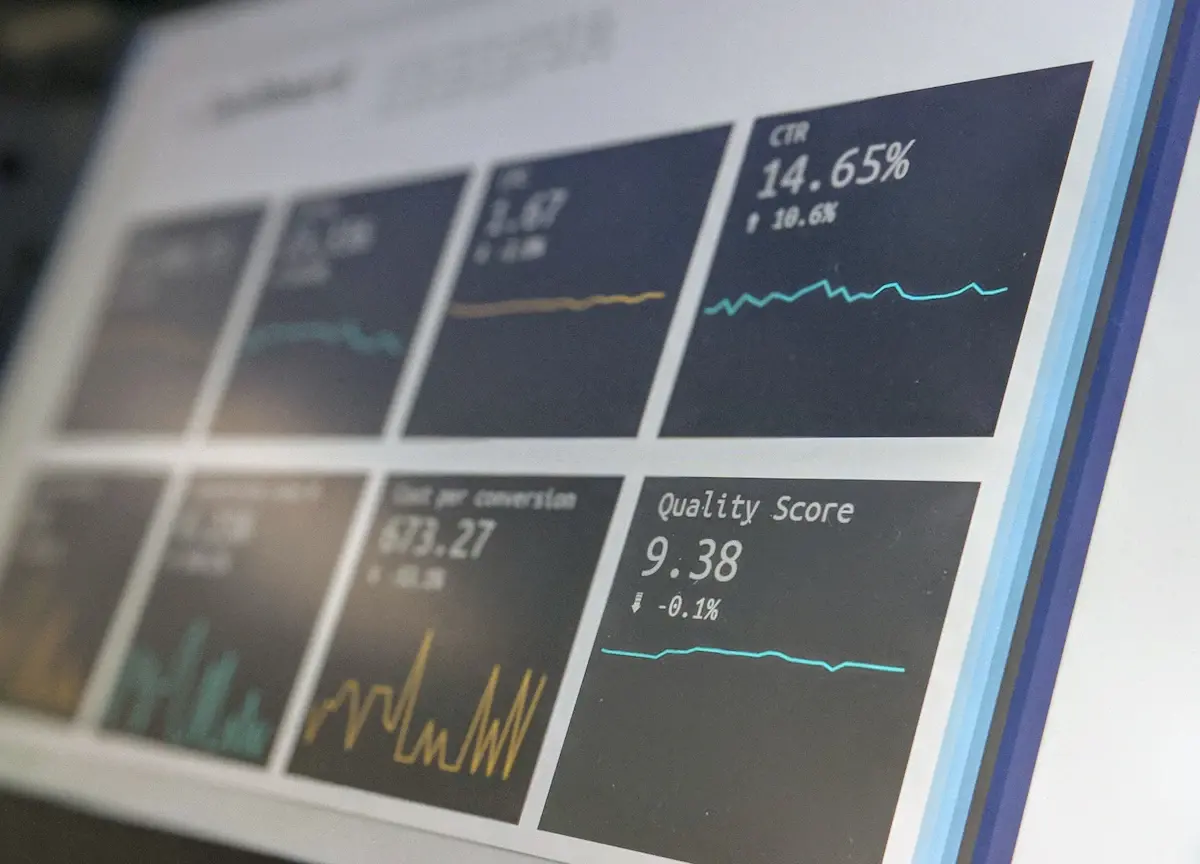
- Ignoring Quality Score. Google rates how relevant your keywords, ads and landing pages are. Poor relevance generally means paying more for the same position.
How to decide this week
To settle SEO or PPC for your own business, ask three questions. How soon do you need results? What is a new customer worth to you? And is the website ready to turn visitors into enquiries? If the answers are “soon”, “a fair amount” and “yes”, start with ads and begin SEO behind them. If the site isn’t ready, fix that first.
We run both, so we’ve no reason to push you towards one. Our PPC and paid advertising and SEO services are planned together, with one set of numbers showing what each is bringing in.